

Athletes push their bodies to the limit, often repeating the same motions day after day in training and competition. While this dedication builds skill and endurance, it can also lead to overuse injuries in athletes, which occur when repetitive stress on muscles, joints, or tendons results in inflammation, pain, and reduced performance. Without proper intervention, these injuries can worsen, limiting an athlete’s ability to compete and increasing the risk of long-term damage.
Mia (not her real name), a 19-year-old competitive runner, faced this exact challenge. Persistent knee pain threatened to sideline her from training and competitions. Through physical therapy at Total Motion Physical Therapy, she successfully overcame her injury, regained strength, and returned to the sport she loves.
Mia’s Struggle: The Toll of an Overuse Injury
Mia had been running competitively since high school, and her dedication to training was unwavering. However, as she increased her mileage leading up to a championship race, she began experiencing persistent pain in her right knee. Initially, she pushed through the discomfort, assuming it was normal soreness. But over time, the pain worsened, making even daily activities like climbing stairs uncomfortable.
Symptoms and Challenges Before Physical Therapy
Sharp knee pain during and after runs, especially on hills and long distances.
- Swelling and stiffness, limiting her ability to move freely.
- Decreased running performance, struggling to maintain her usual pace.
- Fear of making the injury worse, leading to hesitation in training.
Mia’s physician diagnosed her with patellofemoral pain syndrome, a common overuse injury in athletes caused by repetitive stress on the knee joint. Instead of taking a break and hoping for the best, Mia turned to physical therapy at Total Motion Physical Therapy for a structured rehabilitation plan.
The Road to Recovery: Physical Therapy for Overuse Injuries in Athletes
Mia’s treatment plan was designed to reduce pain, correct movement imbalances, and strengthen the supporting muscles around her knee. Her therapist guided her through a progressive recovery program, ensuring she could safely return to running without risking further injury.
Phase 1: Managing Pain and Reducing Inflammation
Before strengthening and rebuilding her endurance, Mia’s therapist focused on:
- Manual therapy techniques to reduce muscle tension and improve circulation.
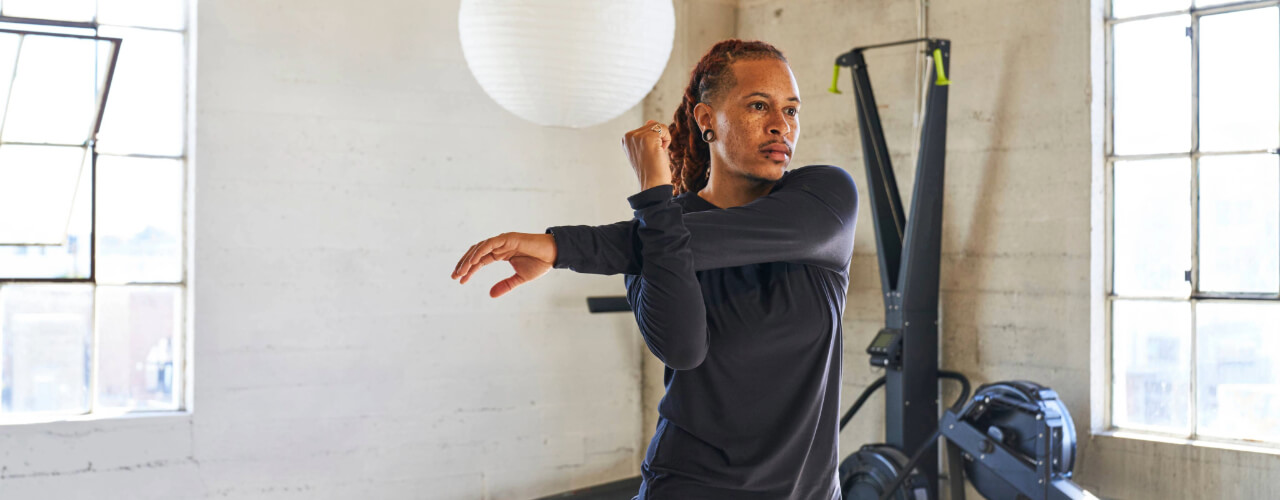
- Targeted stretching to relieve tightness in the quadriceps and hip flexors.
- Ice therapy after activity to control discomfort.
- Activity modification, temporarily reducing her running volume while introducing low-impact cross-training.
Within a few weeks, Mia noticed significant pain relief and less swelling, allowing her to move more comfortably.
Phase 2: Strengthening and Correcting Imbalances
Once her pain was under control, the next step was addressing muscular imbalances that contributed to the injury. Her therapist introduced:
- Hip and glute strengthening exercises to improve knee alignment.
- Single-leg stability drills to enhance balance and coordination.
- Gradual return to weight-bearing activity, including controlled squats and lunges.
- Gait analysis and running form adjustments to reduce stress on the knee.
By rebuilding strength and stability, Mia’s knee became more resilient, reducing her risk of reinjury.
Phase 3: Return to Running and Performance Enhancement
With her strength restored, Mia transitioned back to running under the guidance of her physical therapist. Her return-to-sport phase included:
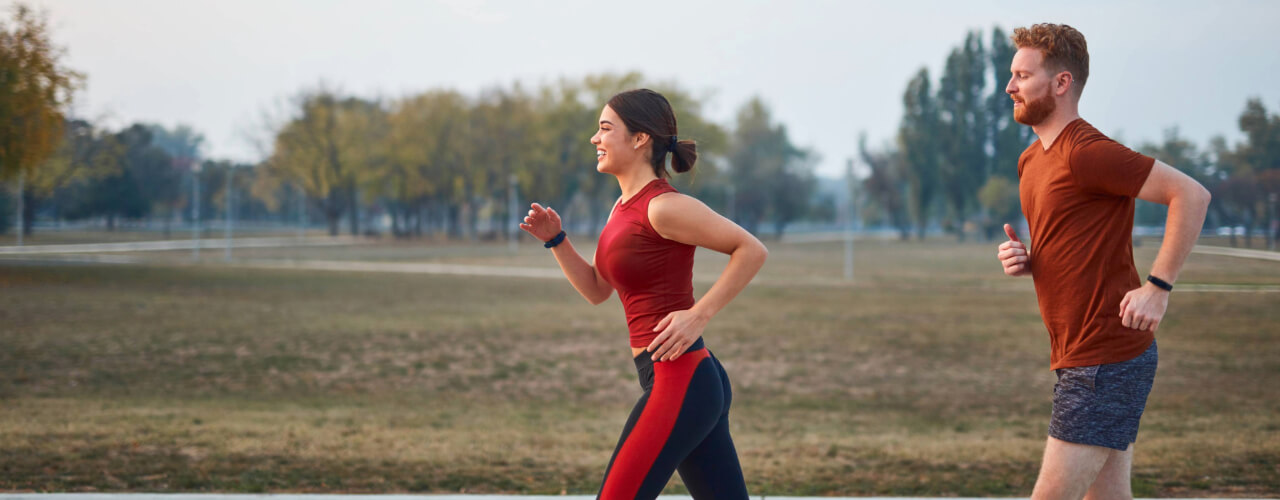
- Progressive run-walk intervals, gradually increasing mileage without overloading the knee.
- Dynamic warm-ups and post-run recovery routines to maintain flexibility.
- Plyometric training to prepare her body for the high-impact demands of competition.
- Continued strengthening and mobility exercises, ensuring long-term knee health.
By the end of her program, Mia was running pain-free, moving efficiently, and feeling confident in her performance again.
Mia’s Transformation: From Injury to Strength
Mia’s recovery was more than just returning to running—it was about regaining confidence in her body’s ability to perform without pain. Before physical therapy, she struggled with persistent knee pain, decreased performance, and fear of further injury. After completing her rehabilitation program, she:
- Ran pain-free for the first time in months, without post-run swelling.
- Improved her strength and running mechanics, reducing stress on her knee.
- Regained confidence in training and competition, setting new personal records.
- Learned injury prevention techniques, helping her stay healthy for future seasons.
Her journey demonstrated the power of proper rehabilitation and targeted physical therapy in overcoming overuse injuries in athletes.
Don’t Let an Overuse Injury Hold You Back – Get Expert Care at Total Motion Physical Therapy
If you’re an athlete struggling with overuse injuries in athletes, don’t ignore the warning signs. Pain and discomfort don’t have to be part of training—physical therapy can help you recover, rebuild strength, and return to your sport stronger than before.
At Total Motion Physical Therapy, we provide personalized treatment plans tailored to each athlete’s needs, ensuring a safe and effective recovery. Whether you’re dealing with knee pain, tendonitis, or muscle overuse, our team is here to help.
Don’t wait for the pain to get worse—contact Total Motion Physical Therapy today and take the first step toward pain-free performance.



Leave a Reply