
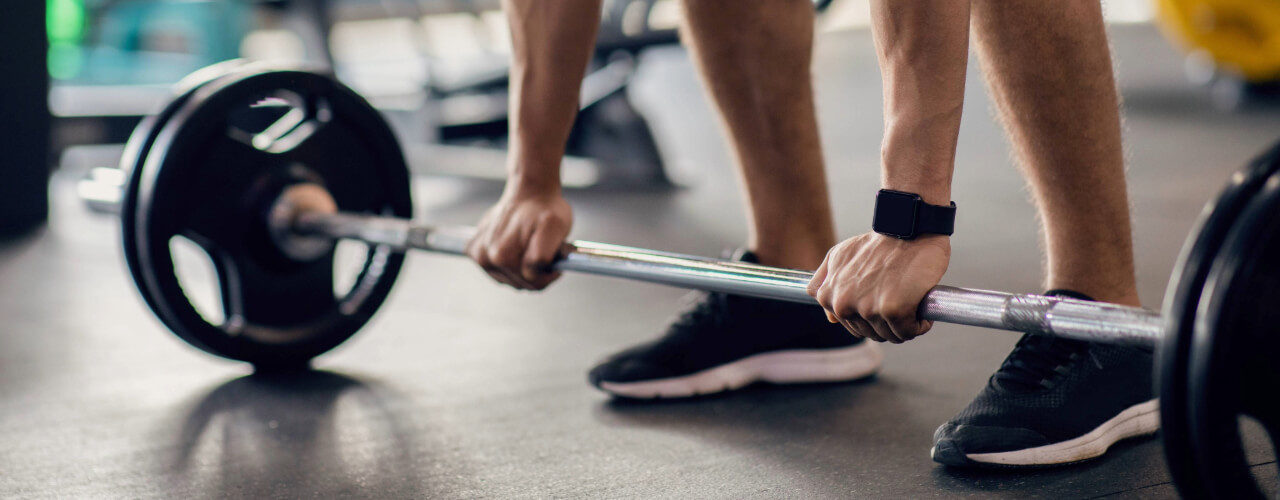

Tendonitis is a common setback for athletes, causing pain and limiting performance. Whether you’re a runner, swimmer, or weightlifter, overuse injuries like tendonitis can interfere with training and competition. The good news? Physical therapy for tendonitis in athletes offers proven strategies to reduce pain, promote healing, and prevent future injuries.
What Is Tendonitis?
Tendonitis occurs when a tendon— the tissue that connects muscle to bone—becomes inflamed due to repetitive stress or overuse. It often develops gradually, starting with mild discomfort that worsens over time. If untreated, tendonitis can lead to chronic pain and reduced mobility.
Symptoms of Tendonitis:
- Pain or tenderness near a joint
- Stiffness, especially in the morning or after activity
- Swelling or warmth around the affected tendon
- Weakness that makes movement difficult
Common Types of Tendonitis in Athletes
Tendonitis can develop in different areas depending on the sport and movement patterns. Some of the most common types we see at Total Motion Physical Therapy include:
Achilles Tendonitis
- Affects the tendon at the back of the ankle
- Common in runners and basketball players
Patellar Tendonitis (Jumper’s Knee)
- Impacts the tendon connecting the kneecap to the shin
- Common in volleyball and basketball players
Lateral and Medial Epicondylitis (Tennis Elbow/Golfer’s Elbow)
- Lateral epicondylitis affects the tendon on the outside of the elbow
- Medial epicondylitis affects the tendon on the inside of the elbow
- Common in sports that require repetitive arm motions, such as racquet sports, weightlifting, or golfers
Swimmer’s Shoulder
- Impacts the tendons in the rotator cuff, a group of muscles that support the shoulder
- Common in swimmers, baseball players, or other overhead athletes.
How Physical Therapy Helps Athletes Recover from Tendonitis
Physical therapy for tendonitis in athletes is a key part of recovery. Rather than just resting and waiting for the pain to fade, a structured rehab program helps you restore strength and function while avoiding long-term complications. Here’s what your program will generally do:
1. Reduce Pain and Inflammation
We offer several all-natural approaches to pain management, including:
- Manual therapy to improve circulation and relieve tension
- Cold therapy to decrease swelling and numb pain
- Treatment modalities (such as ultrasound therapy) to promote healing at a deeper level
2. Restore Strength and Mobility
Once your pain is under control, you’ll begin working through strengthening and mobility exercises to help restore function and prevent re-injury. We may recommend:
- Controlled movements that lengthen the tendon while strengthening it
- Stretching routines to improve flexibility and reduce strain on the tendon
- Balance and coordination drills to support joint stability (if tendonitis affects your lower body)
3. Correcting Movement Patterns
Tendonitis often stems from poor mechanics, such as improper running form or incorrect weightlifting technique. We can assess your movement and provide the following:
- A biomechanical analysis to identify faulty patterns that contribute to overuse injuries
- Adjustments to running, jumping, or swinging mechanics–whatever’s necessary in your sport
4. Preventing Future Flare-Ups
Beyond treating current pain, physical therapy for tendonitis in athletes helps prevent it from recurring. Strategies include:
- Gradual return-to-play programs to avoid reinjury when resuming training
- Cross-training recommendations to help you reduce repetitive stress with alternative workouts
- Strength and conditioning plans to build resilience in muscles that support tendons
Take the Next Step Toward Recovery
If tendonitis is affecting your training, don’t ignore the pain. Early treatment with physical therapy can help you heal faster and return to your sport stronger. Contact Total Motion Physical Therapy today to schedule an appointment and start your recovery journey!





Leave a Reply