


Recovering from surgery requires time, patience, and a structured rehabilitation plan. However, many people unknowingly slow their progress by making critical mistakes. Avoiding common post-op rehab mistakes can help you heal more effectively and regain your function faster.
To help you make the most of your post-surgical rehabilitation, the Total Motion Physical Therapy team has identified some of the most common post-op rehab mistakes and provided tips on staying on track during recovery.
Eight Mistakes to Avoid When Undergoing Post-Surgery Rehabilitation
1. Inconsistently Attending Physical Therapy
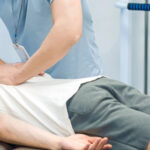
One of the biggest mistakes after surgery is skipping therapy sessions or not following through with prescribed exercises. Physical therapy is crucial in helping you achieve good post-surgical outcomes. It offers a comprehensive approach to reducing discomfort, improving mobility and strength, and preventing complications like muscle weakness or joint stiffness.
Action Tip
Stick to your therapy schedule and complete home exercises as instructed. Consistency is key to a full recovery.
2. Ignoring Pain (or Pushing Through It)
Pain is a normal part of post-surgical recovery, but pushing through sharp or increasing pain can lead to setbacks. Overexertion may cause swelling, tissue damage, or delayed healing.
Action Tip
Listen to your body. Communicate with your physical therapist about discomfort so we can adjust your rehab plan.
3. Doing Too Much Too Soon
It’s tempting to jump back into daily activities quickly, but overdoing it can strain healing tissues and prolong recovery. Rushing back into work, sports, or intense exercise can increase the risk of re-injury.
Action Tip
Follow your therapist’s recommendations for gradually increasing activity levels. Recovery takes time—don’t rush the process.
4. Not Following Weight-Bearing or Movement Restrictions
If your surgeon or therapist advises against putting weight on an injured limb or limits movement, it’s crucial to follow those guidelines. Ignoring them can lead to complications or the need for further treatment.
Action Tip
Adhere to all movement and weight-bearing restrictions. Ask your therapist for safe alternatives to stay mobile without risking reinjury.
5. Skipping Warm-Ups or Proper Form in Exercises
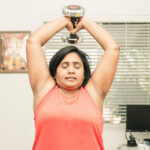
Rehab exercises are designed to improve strength, mobility, and function, but improper technique or skipping warm-ups can do more harm than good. Poor form can cause strain on healing muscles and joints.
Action Tip
Always start with a gentle warm-up, such as light stretching or slow movements. Ensure you perform each exercise with proper form under the guidance of your therapist.
6. Neglecting Nutrition and Hydration
Your body needs the right nutrients to heal. Poor nutrition can slow recovery, weaken muscles, and increase fatigue. Dehydration can also affect tissue repair and joint mobility.
Action Tip
Focus on a balanced diet rich in protein, vitamins, and minerals. Drink plenty of water to support recovery and reduce inflammation.
7. Stopping Therapy Too Early
Some patients stop therapy as soon as they start feeling better, but cutting rehab short can result in incomplete recovery. Your pain will diminish before your muscles and joints regain full function, and cutting your rehab short can increase the risk of future injuries.
Action Tip
Complete the entire course of rehabilitation as recommended by your therapist. Gradual progression ensures long-term success.
8. Not Asking Questions or Communicating Concerns
Many patients hesitate to ask questions about their rehab plan or symptoms. Lack of communication can lead to misunderstandings and ineffective treatment.
Action Tip
Stay engaged in your recovery process. If something feels off, speak with your therapist. They can adjust your program to fit your needs.
Stay on Track for a Smooth Recovery
Avoiding these common post-op rehab mistakes can help you heal faster and regain full function. At Total Motion Physical Therapy, our physical therapists guide you through every step of your recovery, ensuring a safe and effective rehabilitation process.
If you’re recovering from surgery, contact our Christiansburg, VA, Blacksburg, VA, and Radford, VA clinics today to schedule an appointment and start your personalized rehab plan!



Leave a Reply