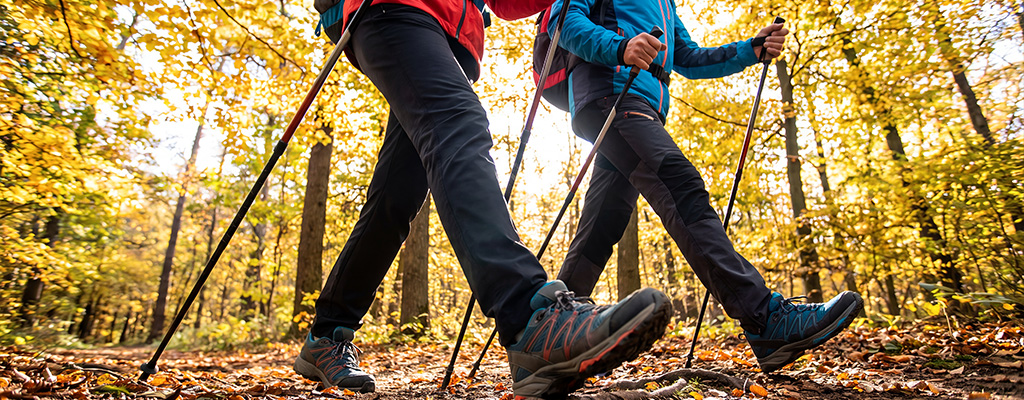
Training Tips to Help You Stay on the Field This Fall
The fall sports season will be here before you know it, and summer’s carefree days will give way to intense practices and weekends filled with games and matches. What you do now, during late summer, can make a big difference once the season begins.
Many athletes spend the summer months staying active, but that doesn’t necessarily prepare the body for the demands of competition. A structured preseason plan can help you build strength, improve movement, and reduce the risk of injuries that can lead to missed practices and games.

Why Preseason Preparation Matters
At Total Motion Physical Therapy, we know the bustle of the fall sports season well, having participated in it ourselves! Popular fall sports involve many high-level movements, including sprinting, jumping, and cutting, which can place stress on your body’s tissues. If you jump into these activities too quickly, you’re more likely to suffer injuries like strains, sprains, or tendinitis.
However, a thoughtful preseason program prepares the body for these demands. The right combination of strength and mobility training, sport-specific conditioning, and recovery strategies in the summer improves physical readiness while reducing the chance of losing valuable playing time come fall.
Five Ways to Make the Most of the Rest of Summer
1. Build Strength Before Practices Begin
Progressive strength training prepares muscles and tendons to handle the demands of regular practices and competition. Our team can work with you to identify muscle imbalances and develop an individualized strengthening program based on your sport and goals. This might include strengthening:
- Legs and hips for power and stability
- Core muscles for balance and body control
- Upper body for throwing, catching, and contact sports
2. Improve Mobility and Movement Quality
Stiff joints can limit your body’s ability to adapt to sudden changes in movement. Over time, this forces nearby muscles to absorb heavy impacts at awkward angles, which can lead to deep soreness or irritation. Our team can evaluate your movement patterns and let you know which areas to work on, providing you with a program that might include:
- Dynamic warm-up exercises
- Mobility drills for the hips, shoulders, and ankles
- Stretching after activity to restore mobility and reduce muscle soreness during recovery
3. Gradually Increase Conditioning
Jumping from summer break into full-speed practices places significant stress on the body. Instead, you want to aim for a gradual progression that allows your heart, lungs, muscles, and connective tissues to safely adapt to the increase in intensity.
Before training starts, gradually increase activity over several weeks by working in activities like:
- Running
- Sprint intervals
- Agility drills
- Sport-specific conditioning

4. Practice Sport-Specific Skills
General fitness is important, but athletes also need to prepare for the movements required in their sport, preferably under our team’s guidance, as we can ensure you’re practicing the safe movement patterns needed to handle unexpected moves safely.
For example, you might work on:
- Cutting and pivoting for soccer and football
- Throwing mechanics for baseball and softball
- Jumping and landing drills for volleyball and basketball
- Sprint starts for track athletes
5. Schedule a Preseason Movement Assessment
Every athlete moves differently. A preseason assessment from our team helps identify strength deficits, mobility limitations, balance concerns, and movement patterns that may increase your injury risk. Once they’re identified, we’ll create a custom plan to address them using treatment techniques like:
- Manual therapy to improve joint and soft tissue mobility
- Dry needling to reduce muscle tightness and improve movement in appropriate cases
- Therapeutic exercise to improve strength, balance, and coordination
- Sport-specific return-to-play progressions that safely prepare you for competition
Start the Season Ready to Compete
The final weeks of summer offer an excellent opportunity to prepare your body for the demands of fall sports. Building strength, improving movement, increasing conditioning, and addressing small problems now can help you stay healthy throughout the season. That way, you can spend the fall focused on improving your performance, not recovering from preventable injuries.
If you want to make the most of the rest of your summer, the sports physical therapy team at Total Motion Physical Therapy is here to help. We provide individualized evaluations, evidence-based treatment, and sport-specific training to help athletes move better, perform with confidence, and spend more time doing what they love. Schedule an appointment today to get started.
Now Hiring
Physical Therapist
Total Motion PT is looking for a motivated and compassionate Physical Therapist (PT) to join our growing team! We take pride in providing personalized, movement-based care that helps our patients get back to doing what they love.
Apply TodayExercise of the Month
One Leg Balance
Ankles • Core • Balance
Slowly lift your leg upward behind you so that your weight lies on the leg with your ankle on the floor.
Hold this position for 20 to 30 seconds and gradually progress to more seconds as you get stronger.
2 Sets • 1 Rep
Equipment: Chair
Celebrate Healthy Aging Month with Total Motion Physical Therapy
Did you know that September is Healthy Aging Month? As we move into fall, it’s a great time to remember that growing older doesn’t mean slowing down. In fact, small changes today can support greater independence and confidence for years to come.

The Keys to Healthy Aging
Healthy aging refers to the process of maintaining your physical, mental, and social well-being so you can enjoy a high quality of life as you grow older. While there are several factors involved in healthy aging, some of the most important involve preserving strength, mobility, and balance.
It’s normal for these factors to change as we age, but that doesn’t mean you can’t take steps to preserve or improve all three. Doing so can help decrease your risk of falls, which is essential for preserving independence for as long as possible.
What Are Some Ways Total Motion Physical Therapy Can Help With Healthy Aging?
- Mobility exercises to improve joint movement and make daily tasks easier.
- Strengthening exercises that build muscle to support everyday activities like climbing stairs.
- Balance training to improve stability and reduce fall risk.
- Functional training that practices real-life movements, making everyday activities safer and more efficient.
- Education on home safety, proper footwear, and strategies to lower the risk of falls.
That said, early intervention is particularly important. Addressing early changes in balance, strength, or mobility concerns before they become larger problems can help keep you active and doing the things you enjoy.

Healthy Aging Starts with Confident Movement
This Healthy Aging Month, invest in your future by making movement a priority. The team at Total Motion Physical Therapy is here to help you build confidence, improve function, and continue living life to the fullest.
What Our Patients Are Saying
Share the Love
Help others discover us by leaving a quick review and sharing your thoughts. Your feedback helps us grow and keep improving—thank you for being part of our community!
Review UsHarvest Turkey and Quinoa Bowl
Warm, hearty, and packed with seasonal produce, this bowl combines lean ground turkey with roasted butternut squash, quinoa, and a maple-cider dressing. It’s a nourishing meal that’s perfect for cooler days and easy to prep ahead for the week.

Ingredients
- 1 lb lean ground turkey
- 1 cup quinoa, rinsed
- 2 cups butternut squash, cubed
- 2 cups baby kale or spinach
- ⅓ cup dried cranberries
- ¼ cup pumpkin seeds
- 2 tbsp olive oil
- 1 tbsp apple cider vinegar
- 1 tbsp maple syrup
- ½ tsp cinnamon
- ½ tsp smoked paprika
- Salt and black pepper to taste
Directions
- Preheat oven to 400°F. Toss the butternut squash with 1 tablespoon olive oil, cinnamon, salt, and pepper.
- Roast the squash for 25–30 minutes, until tender and lightly browned.
- While the squash roasts, cook the quinoa according to package directions.
- In a skillet over medium heat, brown the ground turkey with smoked paprika, salt, and pepper, breaking it apart as it cooks, about 8–10 minutes.
- Whisk together the remaining olive oil, apple cider vinegar, and maple syrup to make the dressing.
- Divide the kale between bowls and top with quinoa, roasted squash, and turkey.
- Sprinkle with dried cranberries and pumpkin seeds, then drizzle with dressing.
- Enjoy immediately or refrigerate for meal prep lunches throughout the week.
Sources: Healthy Aging®, MDPI