Rebuilding Strength and Restoring Performance After ACL and Achilles Injuries
Spring and summer bring a flurry of beloved sports and recreational activities: baseball games, soccer matches, weekend tennis, 10K runs, and so much more! But as you get back into regular physical activity, your risk of injuries rises.
Two of the most common sports injuries we see at Total Motion Physical Therapy (and among the most frustrating) are ACL tears and Achilles tendon injuries. Both can sideline even the most active individuals, but with some help from a structured physical therapy program, you can get back in the game.
Stay Up To Date With Our Team
Follow Us On Social Media
Now Hiring: Physical Therapist
Total Motion PT is looking for a motivated and compassionate Physical Therapist (PT) to join our growing team! We take pride in providing personalized, movement-based care that helps our patients get back to doing what they love.
Try This
Ankle Alphabets
- Start by sitting up straight in a chair.
- Raise one leg out in front of you.
- Slowly write the letters of the alphabet with your foot, only moving at your ankle joint.
- 3 Sets, 10 Reps. (Materials needed: chair)
A Closer Look at ACL Tears
The ACL (anterior cruciate ligament) is a key ligament in the knee that helps stabilize the knee, especially during cutting, pivoting, and jumping. Tears to the ligament often occur during these movements, particularly sudden changes in direction or landing awkwardly after a jump. Direct contact to the knee can also damage the ACL.
ACL tears are particularly common in sports like:
- Soccer
- Basketball
- Lacrosse
- Volleyball
- Tennis
What Does It Feel Like?
- An audible popping sound followed by intense pain in or around the knee
- Shifting or out-of-place sensations in the knee
- Loss of Range of Motion
- Swelling within hours
- Knee instability or feelings of the knee giving way
- Inability to bear weight on the leg
What Are Some Risk Factors?
- Previous knee injury
- Poor landing mechanics
- Fatigue during play
- Quad-dominant movement
- The wrong equipment or surface
A Closer Look at Achilles Tendon Injuries
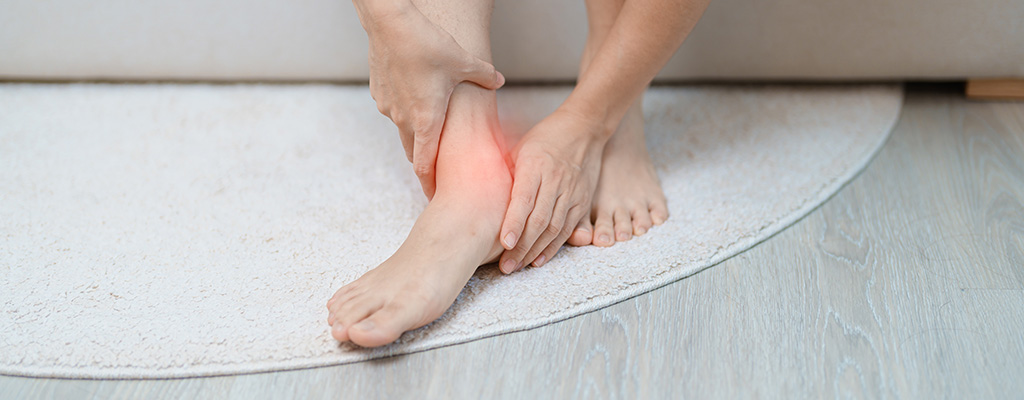
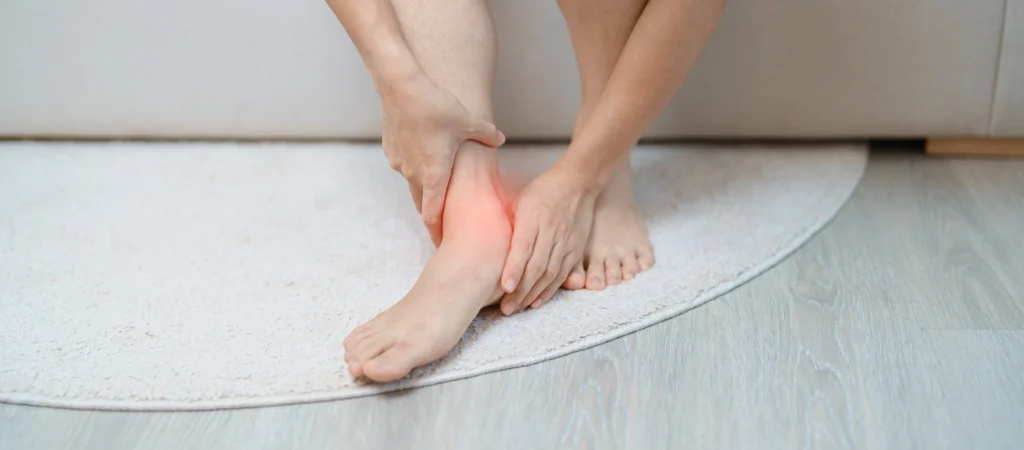
The Achilles tendon connects the calf muscles to the heel. It helps you push off when walking, running, or jumping. Damage to the tendon often occurs during sudden acceleration or sprinting. However, the Achilles tendon is also susceptible to strain from repetitive movements.
We often see Achilles tendon injuries in:
- Running
- Basketball
- Tennis
- Track and field
What Does It Feel Like?
- Pain or stiffness in the back of the heel
- Tenderness with activity
- A sudden sharp pain, often with an audible popping sound (in severe cases)
- Difficulty, pain, or an inability to push off
What Are Some Risk Factors?
- Tight calf muscles
- Sudden increases in activity
- Poor footwear
- Limited ankle mobility
How Physical Therapy Helps with Knee or Achilles Recovery
Recovery from ACL or Achilles injuries depends on restoring strength, mobility, and function, which is why physical therapy plays a central role at every stage of your rehab, whether surgery is involved or not.
Reducing Pain and Restoring Movement
Our first goal is to calm irritation and help you regain basic motion. For ACL injuries, this often includes regaining a full knee flexion and extension, while restoring ankle and calf muscle mobility is essential for Achilles injuries. Some key strategies include:
- Targeted range-of-motion exercises
- Swelling management
- Light muscle activation to prevent weakness
Strength and Stability Training
As your symptoms improve, our focus shifts to rebuilding strength and control throughout the core and lower body. Some of the techniques we might use include:
- Progressive resistance training
- Eccentric loading, which involves a slow lengthening of muscle and is especially helpful for Achilles tendon healing
- Neuromuscular training, which helps improve coordination and control
Movement Retraining
Poor movement patterns are a major contributor to injury risk. Physical therapy helps correct these patterns. For ACL rehab in particular, this process is critical to reduce the chance of reinjury. Depending on your needs, we might focus on:
- Landing mechanics to improve how you absorb force when jumping
- Cutting and pivoting control
- Balance and proprioception
Return-to-Sport Progression
Returning to sport too early increases the chance of setbacks. A structured progression ensures the body is ready. This process includes:
- Gradual reintroduction of running
- Plyometrics
- Sport-specific drills
- Guidelines on any movement modifications as you return to training
A Personalized Approach at Total Motion Physical Therapy
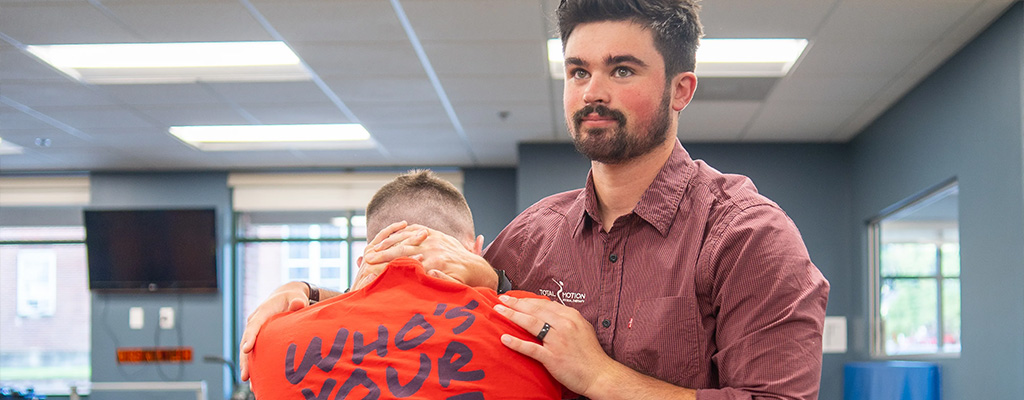
Physical therapy at our clinic is centered around one-on-one treatment with a Doctor of Physical Therapy. This allows us to provide truly individualized rehab plans based on your injury, sport, and recovery goals. As you move through your program, we continually adjust it to match how your body responds. And remember, the earlier you can begin care, the better your outcomes will be! Delaying treatment (or trying to skip ahead) can lead to ongoing pain, reduced sports performance, and a higher risk of reinjury.
Take the Next Step Toward Knee or Ankle Recovery
Spring and summer should be spent doing what you enjoy, not sitting on the sidelines. Whether you’re dealing with a recent injury or lingering pain, the right plan can make a measurable difference. If knee or ankle pain is limiting your activity, schedule an evaluation with Total Motion Physical Therapy. Our focused, hands-on approach can help you move better, feel stronger, and get back to the sports you enjoy.
See Real Results!
Thousands in the New River Valley Trust Total Motion with Their Recovery
From marathon runners to busy parents, our patients consistently share one thing: confidence in our care. Our team’s advanced training, personalized plans, and dedication to results have helped countless individuals overcome pain, regain strength, and return to doing what they love — faster than they expected.

-

President and Founder of Total Motion Physical Therapy Dr. Ron Masri is a successful and highly-skilled physical therapist who has specialized in treating various orthopedic injuries involving the elbow, shoulder, spine, hip, knee, ankle, and other injuries & ailments for more than two decades. He brings a hands-on approach to…
–
Dr. Rony Masri
-
Dr. Nikolas Dimitry is from Chesapeake, Virginia. He earned his undergraduate degree in Biochemistry from Virginia Tech in 2016. He then went to Baylor University and completed his doctorate in physical therapy in 2021. He enjoys treating all body regions, but especially enjoys low back, hips, and knees. He spends…
–
Dr. Nikolas Dimitry
-
Dr. Brandon Gearhart is a native of Floyd County, Virginia. He earned his undergraduate degree in Biology from Emory & Henry College in 2017 and then attended the Emory & Henry School of Health Sciences where he graduated in 2020 with his doctorate in physical therapy. He loves treating all…
–
Dr. Brandon Gearhart
-
Dr. Halei Barnes grew up in a military family so she has lived all over the country but considers herself a midwesterner. She received a Doctorate in Physical Therapy from Shenandoah University in 2023 and a Bachelor’s in Interdisciplinary Health Sciences with a concentration in Health and Aging from University…
–
Dr. Halei Barnes
-
Dr. Heath Hardiman is a native of New Kent, Virginia. Heath received his Doctorate in Physical Therapy from the University of Lynchburg in 2023 and Bachelor of Science from Virginia Tech in 2019. Heath is incredibly passionate about treating athletes of all ages as well as managing a wide variety…
–
Dr. Heath Hardiman
-
Dr. Joseph “Joey” Majewicz is originally from Yorktown, Virginia. He earned his undergraduate degree in Allied Health Sciences from Radford University in 2022 and then attended South College school of Physical Therapy in Knoxville, Tennessee in 2023, where he graduated in 2024 with his doctorate in physical therapy. When in…
–
Dr. Joseph Majewicz
-
Dr. Christian Kumar is originally from Lynchburg, Virginia, he earned a Bachelors of Science in Exercise Physiology from the University of Lynchburg. He then went on to complete his Doctorate in Physical Therapy at Belmont University in Nashville, TN. As a former collegiate tennis player, Dr. Kumar enjoys working with…
–
Dr. Christian Kumar
-
Tanya Roberts attended the University of Vermont and graduated with a BS in Physical Therapy in 1996. She has practiced in outpatient settings in VT, NY, and Michigan’s Upper Peninsula. She earned the Lymphedema Certification in 2007 and specializes in the management of swelling. Tanya’s passion is to empower patients…
–
Tanya Roberts


Share the Love
Help others discover us by leaving a quick review and sharing your thoughts. Your feedback helps us grow and keep improving—thank you for being part of our community!
Tanya Roberts
PT, CLT
Tanya Roberts attended the University of Vermont and graduated with a BS in Physical Therapy in 1996. She has practiced in outpatient settings in VT, NY, and Michigan’s Upper Peninsula. She earned the Lymphedema Certification in 2007 and specializes in the management of swelling.
Tanya’s passion is to empower patients to use strategies and exercise to achieve their functional goals.
In her spare time, Tanya loves to be outside hiking, biking, walking Liam the dog, and gardening with her husband and son!
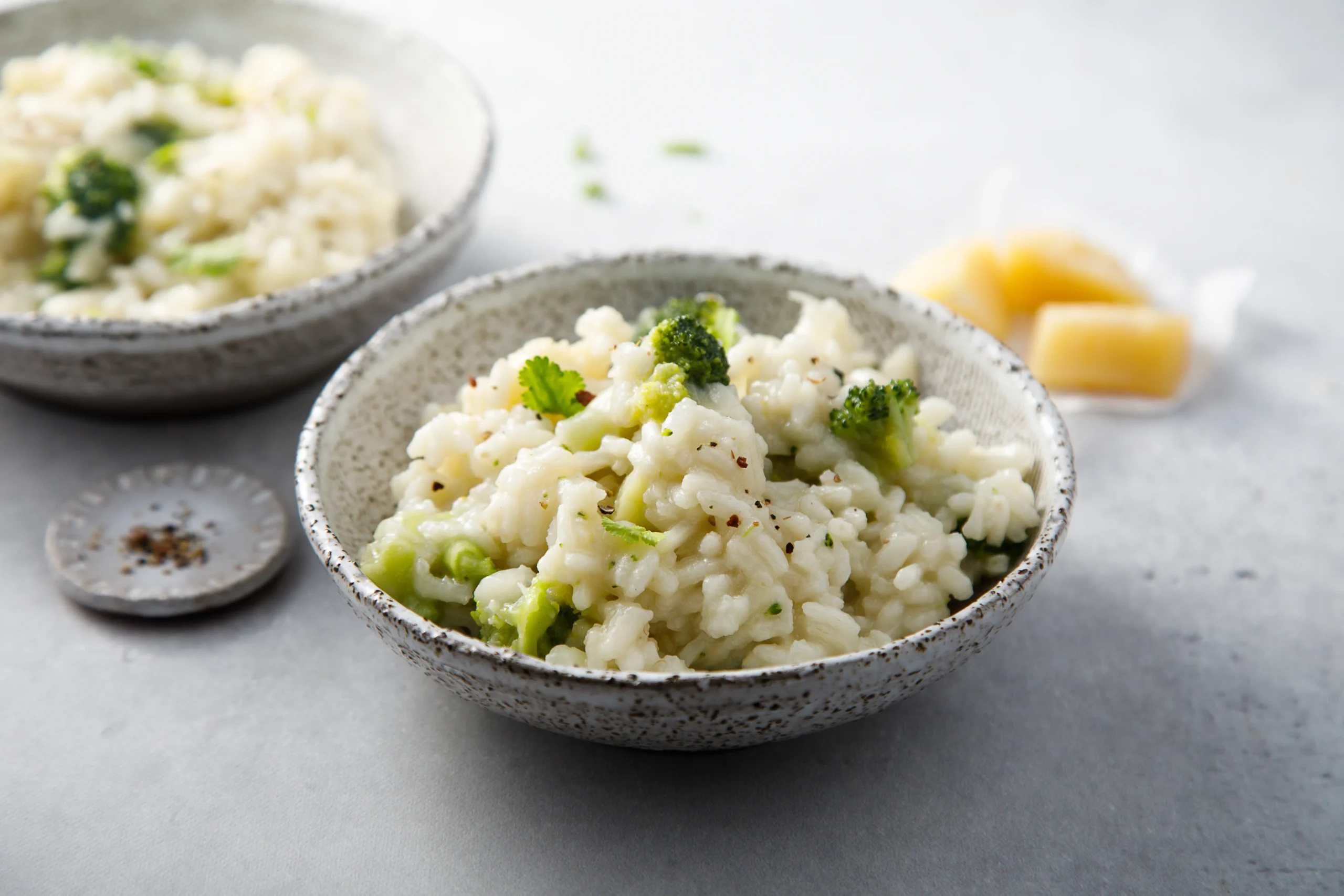
Recipe of the Month: Broccoli Risotto
Ingredients:
- 2 tablespoons olive oil
- 3 tablespoons butter
- ½ large sweet onion, finely chopped
- 4 cloves garlic, chopped
- 1 ½ cups Arborio rice
- ½ cup dry white wine (such as Sauvignon Blanc)
- 2 tablespoons lemon juice
- 5 cups hot chicken broth
- 1 cup heavy cream
- 3 cups cooked broccoli florets
- 2 tablespoons chopped fresh chives
- 1 tablespoon grated Parmesan cheese
- 1 ½ tablespoons grated Asiago cheese
- salt and pepper to taste
Instructions:
- Gather all ingredients.
- Heat olive oil and butter in a large, heavy-bottomed saucepan over medium-high heat. Add onion and garlic; cook and stir until onion begins to turn golden brown at the edges, about 2 minutes.
- Pour in rice, and stir until rice is coated in oil and has started to toast, 3 to 4 minutes.
- Reduce heat to medium and stir in white wine and lemon juice. Cook and stir until wine has mostly evaporated, then stir in 1/3 of the chicken broth; continue stirring until incorporated.
- Repeat this process twice more, stirring constantly. Stirring in broth should take 15 to 20 minutes in all. Stir in cream and cook 5 minutes before stirring in broccoli, chives, Parmesan cheese, and Asiago cheese. Cook and stir until risotto is hot; season to taste with salt and pepper before serving.