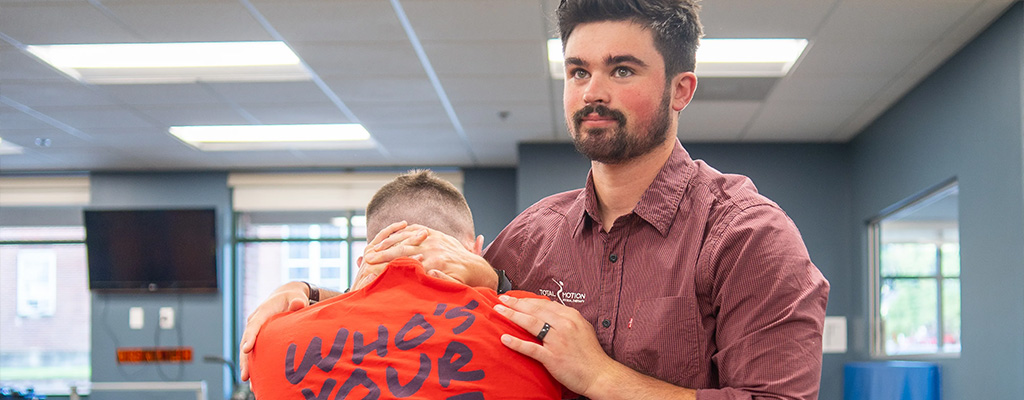
How Physical Therapy Helps Runners With Ankle Sprains
Is your ankle sprain interfering with running? Have you recently rolled your ankle or have a chronically weak ankle? At Total Motion Physical Therapy, our physical therapists can help you resolve a mild problem that goes away quickly and thoroughly and becomes an ongoing issue.
Foot and ankle injuries account for nearly one-third of running injuries. The severity of the injury depends on the severity of damage to the ligaments supporting the ankle. Often the ankle sprain is a minor injury, but proper rehabilitation is needed to prevent reoccurrence.
Improper or inadequate rehabilitation after an initial sprain increases reinjury chances. It is suggested that up to 70% of individuals who sustain a lateral ankle sprain may develop chronic instability, which makes them susceptible to future injuries.
While many factors can lead to an ankle sprain, specific steps are needed to resolve acute injuries and prevent reinjuries and chronic instability. Our physical therapists are experts at resolving the injured area while addressing the factors contributing to reinjury or new injuries.
Call Total Motion Physical Therapy today to request an appointment with one of our highly skilled physical therapists. We are committed to helping you get the results you need to resume running without limits!

Stay Up To Date With Our Team
Follow Us On Social Media
Now Hiring: Physical Therapist
Total Motion PT is looking for a motivated and compassionate Physical Therapist (PT) to join our growing team! We take pride in providing personalized, movement-based care that helps our patients get back to doing what they love.
Try This
Edge of Bed Twist
- Position: Lie on your side near the edge of the bed.
- Setup: Extend your bottom leg long and bend your top across and off the bed slightly.
- Twist: Hold your knee in place with your bottom arm and use your top arm to pull your chest and shoulders back towards the bed.
- Hold: Maintain the position for 10-20 seconds to stretch the lower back/hips.
What happens to the ankle when it is sprained?
Ankle sprains are often the result of a faulty step while running or stepping on uneven terrain. The injury occurs when the ankle rolls, twists, or turns in an awkward way to the outer aspect of the ankle (i.e., lateral ankle sprain). This sudden stretch leads to partial or complete tearing of the ligaments supporting the ankle joint.
A sprain can also result from a trauma, a deceleration (slowing down) movement, or a sudden change in direction. The severity of the injury will determine the degree of pain, inflammation, and ability to move the joints where the injury occurred.
Approximately 85% of all ankle sprains are inversion sprains (i.e., rolling outward). This type of injury damages the outside (lateral) ligaments and may lead to restrictions in how the joint moves. The joint restrictions will, in turn, affect the runner’s ability to tolerate running and may also lead to chronic ankle instability and new injuries that impact a runner’s ability.
For example, a loss of dorsiflexion (i.e., pulling your toes toward your shins) following an ankle sprain is a risk factor for plantar fasciitis. It is also possible that the changes in ankle motion impair knee function and make you more susceptible to knee injuries.
Fortunately, our physical therapists can identify the severity of your injury and the factors contributing to impairments so that you can resolve your issues and get back to pain-free running!
What are the common reasons for chronic ankle sprains?
Too often, runners avoid getting help for minor injuries fearing they will be told to take a break from running. For some people running is their only opportunity for alone time and to clear their head. The thought of taking time off to deal with an injury doesn’t seem reasonable.
Unfortunately, ignoring or pushing through the injury can make you more susceptible to another ankle sprain or a new injury when it comes to ankle sprains. Our physical therapists understand the importance of running to physical and mental well-being, and we can help you resolve your sprain and give you the tools to keep you running injury-free.
Several studies have investigated the most common risk factors for chronic ankle sprains, and they are listed below:
- Previous history of ankle sprain
- Lack or loss of range of motion (ROM) and/or laxity in the joint
- Impairments in muscle strength and muscle-reaction time (especially glutes, lower leg, and foot muscles)
- Impairments in postural sway, balance, and proprioception (i.e., perception or awareness of the position and movement of the body)
- Being overweight
Preventing future sprains depends on the severity of the injury and how thorough the rehabilitation was. Regardless of whether you have an acute injury or a chronic problem, it is essential to visit a physical therapist as soon as possible. We can ensure you get the results you are looking for!

What to expect at your rehabilitation sessions
The initial stages of physical therapy will focus on restoring any lost motion, reducing the swelling, and using all available treatments to alleviate any pain you may experience.
For acute ankle sprains, manual joint mobilizations reduce pain and increase dorsiflexion range of motion. For chronic ankle sprains, manual techniques can help to restore lost motion in the ankle and/or surrounding joints and improve overall function and performance.
Our program will also look for any changes in your gait pattern that may make it difficult for you to move around freely. Dysfunctional movement patterns can last for years and lead to reinjury and potentially other injuries.
Next, we will design a comprehensive program that includes restoring range of motion, strengthening, neuromuscular control, proprioceptive responses, and running-specific exercises. Our physical therapists will show you therapeutic exercises to address any underlying issue, such as a weakness that may be contributing to altered movement patterns, balance issues, and overall susceptibility to more injuries.
Our goal is to give you the tools to recover from your ankle sprain and resume running pain-free!
Request an appointment with Total Motion Physical Therapy today!
Whether you sustained an acute sprain or have a chronic problem, physical therapy is the answer to lasting results and long-term relief. Contact Total Motion Physical Therapy today to schedule a consultation or to find out more about how physical therapy can help relieve your ankle sprain and keep you running injury-free!
See Real Results!
Thousands in the New River Valley Trust Total Motion with Their Recovery
From marathon runners to busy parents, our patients consistently share one thing: confidence in our care. Our team’s advanced training, personalized plans, and dedication to results have helped countless individuals overcome pain, regain strength, and return to doing what they love — faster than they expected.

-

“Great environment & caring staff”
Highly recommend Brandon and the team here. Great environment and felt comfortable there. Thanks for the help.
–
Bethany D.
-
“Best PT Experience”
Very kind staff and helpful. I’ve been to several PT places over the years and they were the best.
–
Marcy R.
-
“Exceptional, Personalized Care”
Excellent attention to individualized care. Joey went above and beyond to make sure we were back to normal within weeks. Highly recommend!
–
Meghan P.
-
I’m hoping I won’t need physical therapy again anytime soon, but if I do, I know exactly where I’ll be going. Total Motion has three convenient locations, and the staff is incredibly friendly and helpful. The front desk team was always welcoming and made every visit a great experience, and…
–
Destiny W.


Share the Love
Help others discover us by leaving a quick review and sharing your thoughts. Your feedback helps us grow and keep improving—thank you for being part of our community!
Choosing the Right Footwear for Hiking and Preventing Pain
Footwear is an essential part of your hiking experience.
Last time you hit the trails, what did you wear on your feet? Your feet play a key role in nearly everything you do, especially when it comes to activities like hiking. In fact, wearing the wrong shoes during physical activity can put you at risk of issues like stress fractures and sprained ankles.
Fortunately, finding the right hiking shoes doesn’t have to be difficult! If you have a foot condition already or are searching for ways to prevent an injury, our team at Total Motion Physical Therapy can help you manage symptoms or learn which hiking boots are right for you. Call us today to get started!
Which Hiking Boots Should I Choose?
There are a few different factors to consider when looking for the right hiking boots, including:
- Terrain: There are several different types of hiking shoes, and your choice should depend on the type of hiking you plan to do. For example, if you plan on trekking more strenuous trails, you’ll need heavy-duty boots that are suitable for rough terrain and extra long hikes. Hiking boots that are too lightweight may put you at risk for foot pain and injury.
- Proper Fit: Shoes that don’t fit right can lead to blisters, pain, and even long-term foot issues. Your hiking boots should allow plenty of room to wiggle your toes, but they also need to be secure enough to prevent your foot from sliding around.
- Support: Your shoes should provide sufficient ankle support, especially if you’re going on long hikes on uneven terrain. Some people may need additional insoles or inserts to provide the necessary arch support.
- Durability: Whether it’s a short day hike or 20-mile adventure, hiking boots should always feel sturdy. Your shoes should cradle the shape of your feet and be durable enough to handle rough terrain. It’s also important that your hiking boots are weather-resistant.
Preventing future sprains depends on the severity of the injury and how thorough the rehabilitation was. Regardless of whether you have an acute injury or a chronic problem, it is essential to visit a physical therapist as soon as possible. We can ensure you get the results you are looking for!

How Our Team Can Help Your Foot Pain
If you’ve been struggling with foot pain, our team can determine and treat the underlying problem. We will begin with a comprehensive assessment of your condition, symptoms, and goals for seeking treatment. Following your first appointment, your physical therapist will design a treatment plan that is tailored to your unique needs.
Common treatments for foot pain and related conditions include:
- Manual Therapy: Manual therapy involves hands-on techniques to improve mobility and decrease pain. These may include:
- Joint mobilization/manipulation: Joint mobilization and manipulation methods are used to reduce pain and stiffness in the joints. These techniques work by guiding the joints and surrounding tissues with mild, moderate, or strong forces and varying speeds. Both techniques can effectively reduce pain, improve your range of motion, and restore function.
- Soft tissue massage: Soft tissue massage is an effective way to relieve pain and tension by targeting the soft tissues of the body. Your therapist will manipulate the tissues in your muscles, tendons, and fascia to restore tissue movement and alleviate tension.
- Passive stretching: Passive stretching is led by your practitioner so that you are able to fully rest your body in a specific position. This technique can help restore your range of motion and increase flexibility.
- Exercise Therapy: Customized exercise programs are designed to restore balance, improve flexibility, and strengthen the muscles in the foot and lower leg. Your physical therapist may include range-of-motion, strengthening, and balance exercises.
- Orthotics: Custom foot orthotics may be used to correct biomechanical foot issues and provide support to the arches of the foot.
- Taping/Bracing: Tape and braces can be used to provide support to injured muscles or joints or to correct foot alignment. They may be applied to the body in a specific way to stabilize an injured joint or facilitate the action of a muscle.
- Education and Advice: Our team can provide advice on self-management strategies, like appropriate footwear, activity modification, and at-home exercises.
- Balance and Gait Training: If your foot pain is affecting your movements, balance and gait training can help you walk more efficiently by reducing the strain on your feet.
Request an Appointment With Our Specialists Today!
Whether you’re an avid hiker or just starting out, our physical therapists could help you avoid foot injuries and treat existing ones. In addition, we strive to enhance your experience by providing guidance about which type of hiking shoe is right for you!

Dr. Joseph Majewicz
PT, DPT
Dr. Joseph “Joey” Majewicz is originally from Yorktown, Virginia. He earned his undergraduate degree in Allied Health Sciences from Radford University in 2022 and then attended South College school of Physical Therapy in Knoxville, Tennessee in 2023, where he graduated in 2024 with his doctorate in physical therapy.
When in the clinic, Dr. Majewicz enjoys treating all body regions and loves working with vestibular patients, older adults, runners, and weightlifters. In the future, he aspires to teach at undergraduate or graduate levels pertaining to physical therapy.
When not in the clinic, Joey enjoys working on cars, running, hiking with his wife, Alena, and dog, Cooper, and spending quality time with friends and family at many of the surrounding breweries.
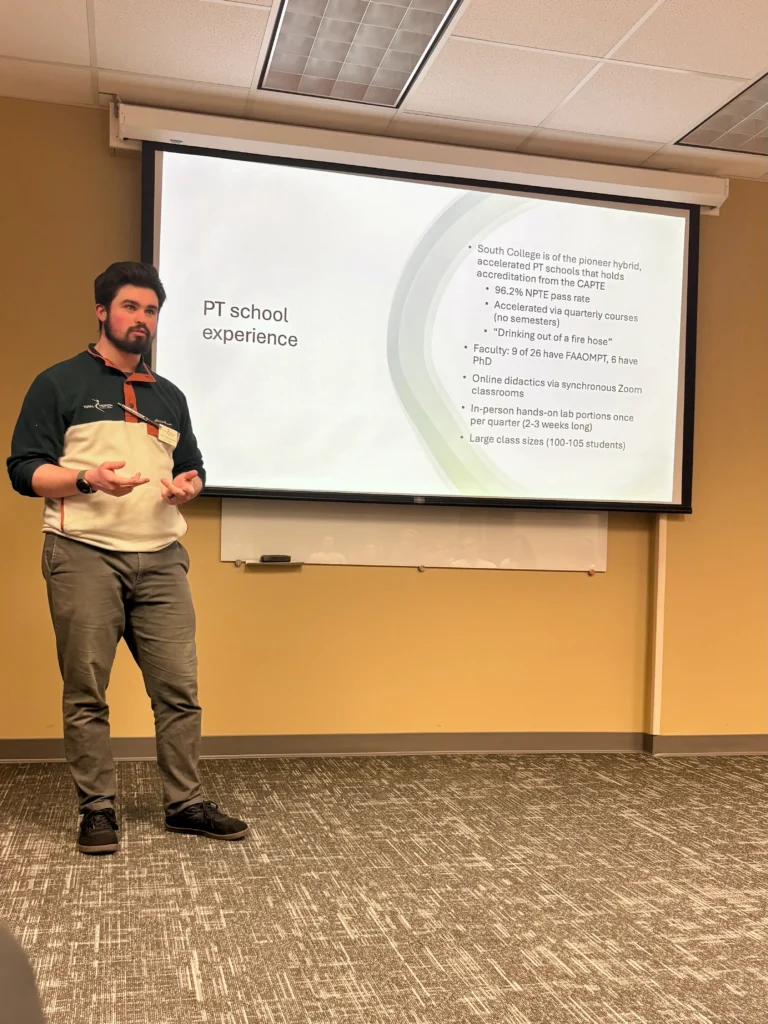
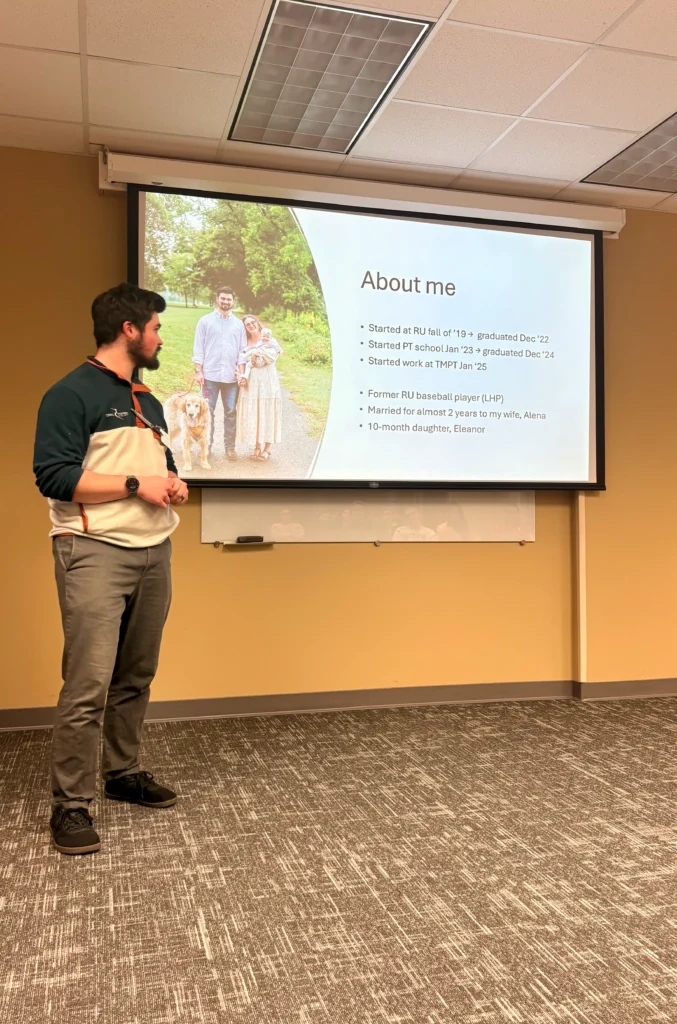
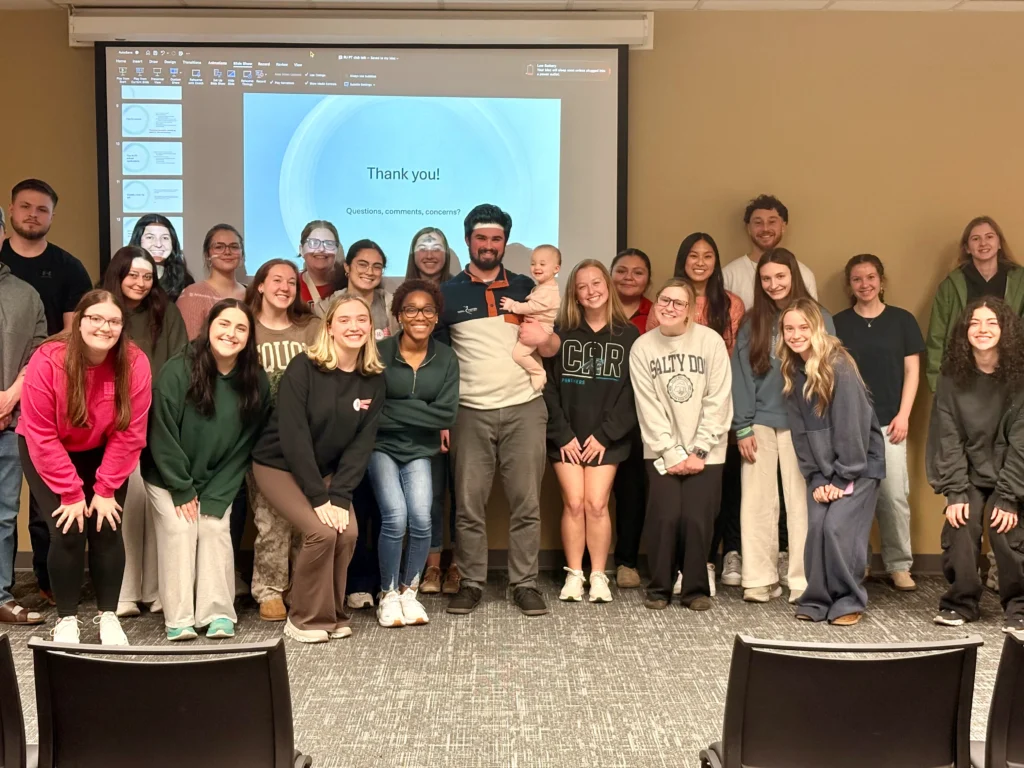
Dr. Joey represented Total Motion PT at Radford University!
He shared insights about physical therapy, injury prevention, and patient care with students preparing to enter the field. Our team loves giving back and helping educate the next generation of PTs.
Recipe of the Month: Overnight Oats

Ingredients:
- ⅓ cup old-fashioned oats
- ¼ teaspoon ground cinnamon
- 1 tablespoon chia seeds
- 1 tablespoon peanut butter
- ⅔ cup milk
- ½ cup sliced banana
- Drizzle of maple syrup or honey, if desired
Instructions:
- Mix everything together, cover and refrigerate overnight.
- Serve with your favorite toppings.
- Makes 1 serving.
Sources
- https://www.sciencedirect.com/science/article/abs/pii/S0003999317310675
- https://www.tandfonline.com/doi/abs/10.1080/00913847.2020.1732246
- https://content.iospress.com/articles/journal-of-back-and-musculoskeletal-rehabilitation/bmr170804
- https://www.ncbi.nlm.nih.gov/pmc/articles/PMC6044595/
- https://journals.sagepub.com/doi/abs/10.1177/0269215518788683
- https://www.ncbi.nlm.nih.gov/pmc/articles/PMC6355117/
- https://www.physio-pedia.com/Foot_Pain
- https://www.ncbi.nlm.nih.gov/pmc/articles/PMC9648311/