
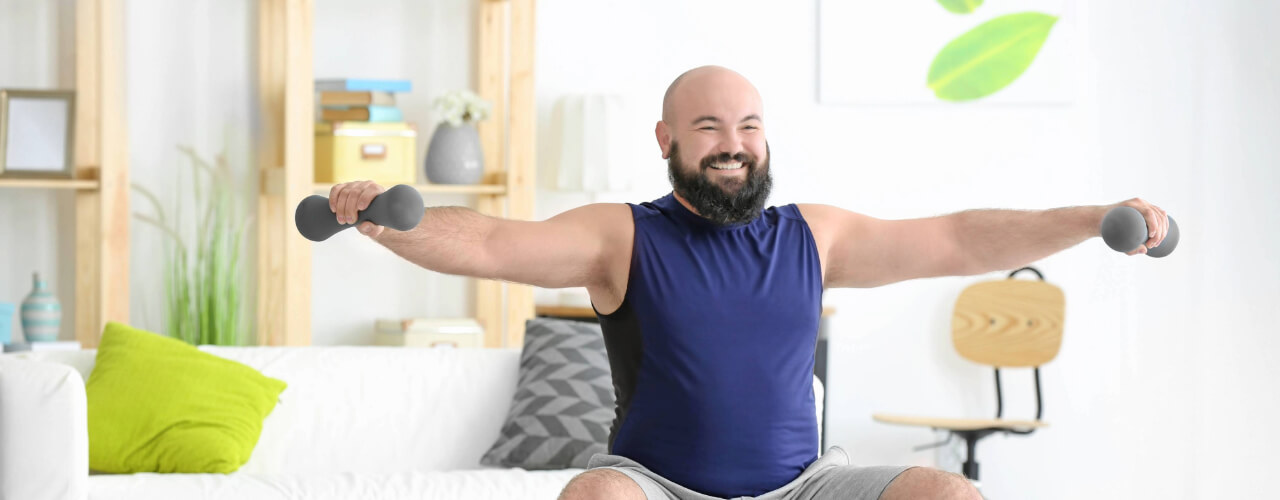

The rotator cuff is a group of muscles and tendons that stabilize the shoulder and allow for smooth movement. When injured, even simple tasks like reaching overhead, lifting objects, or sleeping comfortably can become painful. Whether caused by overuse, aging, or trauma, rotator cuff injury treatment requires a structured rehabilitation approach to restore strength, improve mobility, and prevent long-term complications.
Many people assume rest alone will heal a rotator cuff injury, but inactivity can lead to stiffness, weakness, and prolonged pain. This is why physical therapy is a crucial part of recovery, providing targeted exercises and hands-on techniques that address pain and restore function safely.
Understanding Rotator Cuff Injuries: More Than Just Shoulder Pain
A rotator cuff injury can range from mild inflammation to partial or complete tendon tears. These injuries commonly occur due to:
- Repetitive overhead motions (common in athletes, painters, and construction workers).
- Aging and natural wear and tear, leading to tendon degeneration.
- Sudden trauma, such as a fall or lifting something heavy with poor form.
Common Symptoms of a Rotator Cuff Injury
- Persistent shoulder pain, especially when lifting the arm.
- Weakness in the affected arm, making everyday tasks difficult.
- Limited range of motion, causing stiffness and discomfort.
- Clicking or popping sensations when moving the shoulder.
Without proper rotator cuff injury treatment, the condition can worsen, leading to chronic pain, reduced function, and an increased risk of further damage.
Why Rest Alone Won’t Fix a Rotator Cuff Injury
It’s a common misconception that simply resting the shoulder will heal a rotator cuff injury. While reducing strain is important in the early stages, lack of movement can lead to stiffness, muscle weakness, and decreased blood flow to the injured tissue.
What Benefits Does Physical Therapy Provide?
- Gentle mobility exercises to maintain range of motion.
- Progressive strengthening exercises to rebuild muscle support.
- Guided movement retraining to prevent re-injury.
- The goal is to promote healing while ensuring the shoulder remains strong and functional.
Rotator Cuff Injury Treatment: How Physical Therapy Helps
1. Reducing Pain Without Relying on Medication
Pain is often the biggest concern for those with a rotator cuff injury. Physical therapy helps manage discomfort through:
- Manual therapy techniques that relieve muscle tension and improve circulation.
- Targeted stretching to ease tightness in the shoulder joint.
- Strength-building exercises to reduce strain on the injured area.
Instead of masking the pain with medication, therapy focuses on addressing the root cause and restoring function naturally.
2. Restoring Range of Motion Without Straining the Joint
A stiff shoulder can limit movement, making everyday activities difficult. Physical therapists use:
- Passive and active stretching exercises to improve mobility.
- Joint mobilization techniques to reduce stiffness.
- Postural adjustments to ensure proper alignment and movement patterns.
Gradual mobility work prevents further strain while promoting long-term shoulder health.
3. Strengthening the Shoulder for Long-Term Stability
Weakness in the rotator cuff muscles increases the risk of re-injury. Strengthening exercises focus on the following:
- Building endurance in the shoulder stabilizers for better joint support.
- Targeting surrounding muscles, including the upper back and core, to improve overall function.
- Using resistance bands and light weights to progressively rebuild strength.
A strong rotator cuff ensures pain-free movement and reduces stress on the joint.
4. Preventing Future Injuries Through Proper Movement
Many rotator cuff injuries occur due to poor movement mechanics and muscle imbalances. Physical therapy helps by:
- Identifying faulty movement patterns that may contribute to strain.
- Teaching proper lifting and overhead motion techniques to protect the shoulder.
- Incorporating functional training so movements become more efficient and pain-free.
By addressing movement habits, patients can return to their daily routines without fear of re-injury.
Rotator Cuff Injury Treatment: When to Seek Physical Therapy
If you experience ongoing shoulder pain, weakness, or limited mobility, physical therapy can help—especially if:
- Pain persists for more than a few weeks.
- Overhead or lifting motions cause discomfort.
- Shoulder strength or function has noticeably decreased.
- The affected arm feels unstable or weak.
Early intervention leads to better outcomes, faster recovery, and reduced long-term damage.
Get Back to Pain-Free Movement with Total Motion Physical Therapy
A rotator cuff injury doesn’t have to limit your daily activities or keep you in discomfort. Rotator cuff injury treatment with physical therapy provides a structured approach to healing, focusing on pain relief, mobility restoration, and long-term shoulder health.
At Total Motion Physical Therapy, our physical therapists create personalized recovery plans designed to help you regain strength and movement safely.
Don’t wait—contact Total Motion Physical Therapy today and start your journey toward full shoulder recovery.





Leave a Reply